
If you're reading this because you or someone you love is dealing with a home that's become overwhelmed with clutter, we want to start by saying this: it's more common than people think, and it's not a moral failing. Hoarding situations develop for complicated reasons, often tied to loss, anxiety, trauma, or simply years of small decisions compounding into something that feels impossible to fix. How you approach cleaning it up matters just as much as getting it done.
Key Takeaways
- Lead with patience, not judgment — shock or ultimatums tend to trigger shame and defensiveness instead of cooperation.
- Prioritize safety first: blocked exits, unsafe walkways, expired food, fire and pest risks.
- Expect it to take time — realistic pacing in stages produces results that actually stick.
- Professional help can take on the physical labor so family can focus on supporting the person.
It's Not About Judgment
If you're helping a family member, the instinct to walk in and start throwing things away, or to express shock at the state of the home, is understandable but almost always counterproductive. It tends to trigger shame and defensiveness rather than cooperation, and it can damage trust right when trust is most needed. Whatever led to the clutter, the person living in it usually already knows it's a problem. What helps is patience, not confrontation.
Start the Conversation Carefully
If you're approaching this as a family member rather than the person living in the home, start by listening rather than presenting an ultimatum. Ask what feels manageable to them, and what feels overwhelming. Frame the goal around safety and comfort in their own home, not around appearances or what other people might think. Progress usually goes better when the person feels like a participant in the decision, not someone the decision is being done to.
It's more common than people think, and it's not a moral failing.
Prioritize Safety First
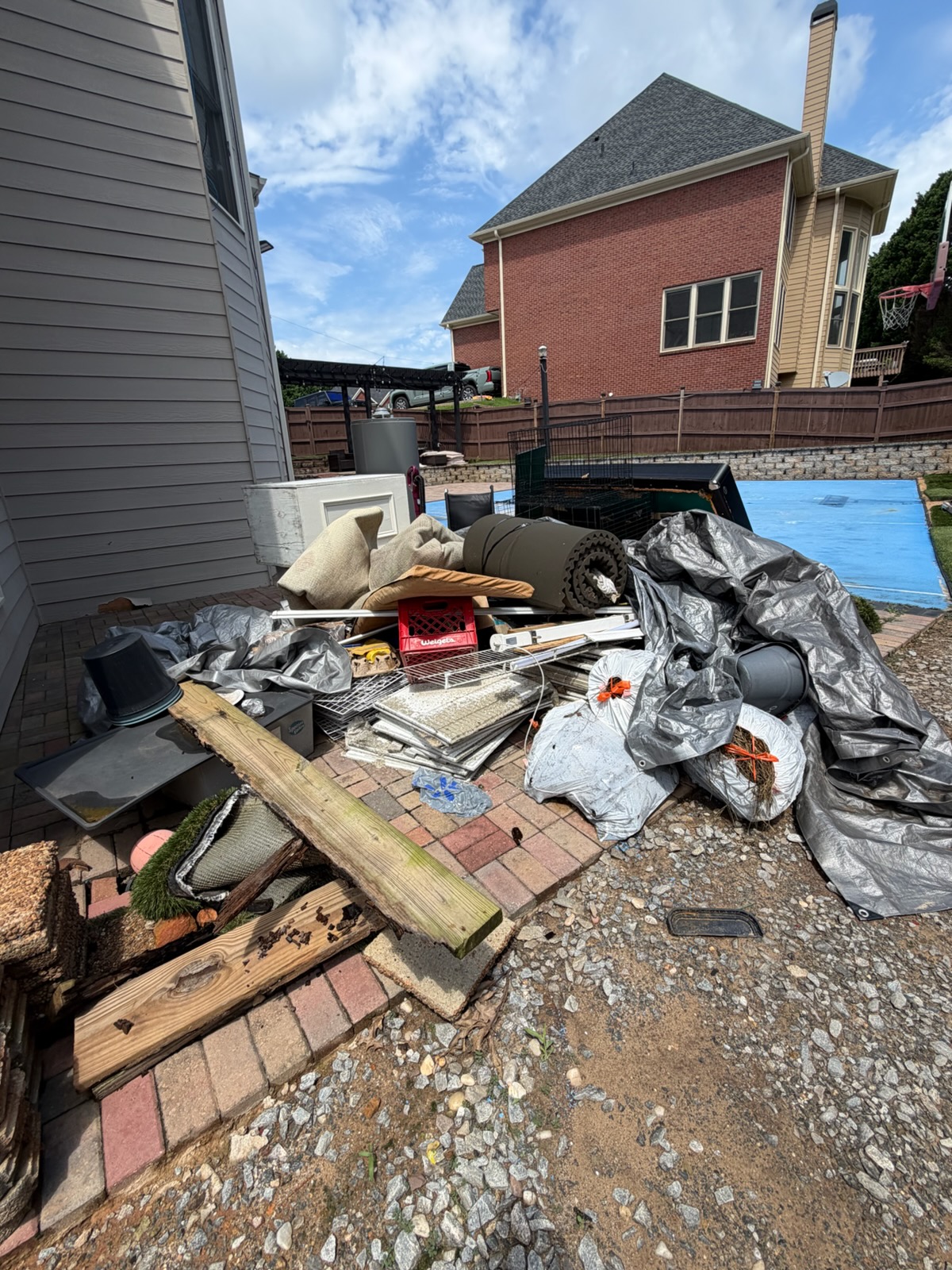
Before worrying about the overall look of a space, focus on the things that create real hazards: blocked exits, pathways that are difficult to walk through safely, expired food, and anything creating fire or pest risks. These are the areas worth tackling first, even if the rest of the home still has a long way to go. Small, safety-focused progress builds momentum better than trying to fix everything at once.
Expect It to Take Time
A hoarding situation that developed over years is not going to resolve in a weekend, and treating it like a one-time deep clean usually backfires. Realistic pacing — working through it in stages, with breaks, and without pressure to finish it all in one visit — tends to produce results that actually stick, rather than a rushed cleanout that causes distress and gets partially undone afterward.
Where Professional Help Fits In
At a certain point, the physical scale of the job — the sheer volume of items, the heavy lifting, the hauling — is more than family members can reasonably handle alongside the emotional side of the process. That's where a professional hoarder cleanup service can help, by taking on the physical labor so family members can focus on supporting the person rather than exhausting themselves moving boxes. We approach every hoarder cleanup with discretion and respect, sorting items thoughtfully rather than treating the whole property as one indiscriminate pile, and setting aside anything usable for donation as part of our donation-first approach.
If You're Ready to Take a First Step
Whether you're the person living in the home or a family member trying to help, reaching out for a confidential conversation about what a cleanout would actually involve is often the hardest part. After that, it's just logistics. We're glad to talk through what a hoarder cleanup would look like for your specific situation, on your timeline, with no judgment attached.
Frequently Asked Questions
How do I even start the conversation with a family member?
Start by listening, not presenting an ultimatum. Ask what feels manageable to them, and frame the goal around safety and comfort in their own home.
What should get tackled first in a hoarding situation?
Safety hazards first — blocked exits, difficult walkways, expired food, and fire or pest risks — even if the rest of the home still has a long way to go.
Will you treat the whole property as one big pile?
No — we approach every hoarder cleanup with discretion and respect, sorting items thoughtfully and setting aside anything usable for donation.
Ready to get this off your plate? Our hoarder cleanup service is built around discretion, patience, and respect for the person, not just the property.
See Our Hoarder Cleanup Services Call or Text 470-822-9531