Most of what fills up a garage, basement, or office — furniture, appliances, electronics, general clutter — is exactly the kind of thing junk removal companies handle every day. But there's a category of items that most companies in this industry treat differently, usually because of how they're regulated or how they need to be disposed of safely. This is general, industry-standard guidance, not a definitive list of what we will or won't take on any given job — the honest answer is always to call and ask about a specific item.
Key Takeaways
- Paint, chemicals, and asbestos-suspect materials typically need dedicated hazardous-waste or abatement handling, not standard removal.
- Some e-waste needs specialized recycling channels rather than general disposal.
- Regulations vary by state and county and change over time, so this is general guidance, not a definitive list.
- When in doubt, send a photo before your scheduled pickup and we'll give you a straight answer.
Paint and Household Chemicals
Old cans of paint, solvents, pesticides, and other household chemicals are treated as hazardous waste in most areas and typically require a dedicated hazardous waste facility rather than standard disposal. This is one of the most common items people assume is "just junk" that actually falls outside normal handling.
Asbestos and Certain Building Materials
Older homes sometimes contain building materials — certain insulation, flooring, or siding — that may contain asbestos. Materials suspected of containing asbestos generally require specialized abatement handling rather than standard debris removal, both for safety and because of how strictly it's regulated. If you're working on a renovation in an older property, it's worth having any suspect materials properly identified before cleanup begins.
Certain E-Waste and Electronics
Plenty of electronics — TVs, computers, printers, small appliances — are routinely recycled through proper e-waste channels. But some electronics contain components that need specialized handling to be recycled responsibly rather than tossed in general disposal. If you've got a large volume of old electronics from an office cleanout, it's worth mentioning upfront so it can be routed correctly. Our e-waste recycling guide covers what responsible electronics recycling actually involves.
Other Common Categories
Depending on local regulations, a handful of other items commonly require special handling across the junk removal industry: certain automotive fluids, propane tanks and other pressurized containers, medical waste, and some types of construction materials. None of these are necessarily off the table — they just usually need to be flagged and routed differently than a standard load.
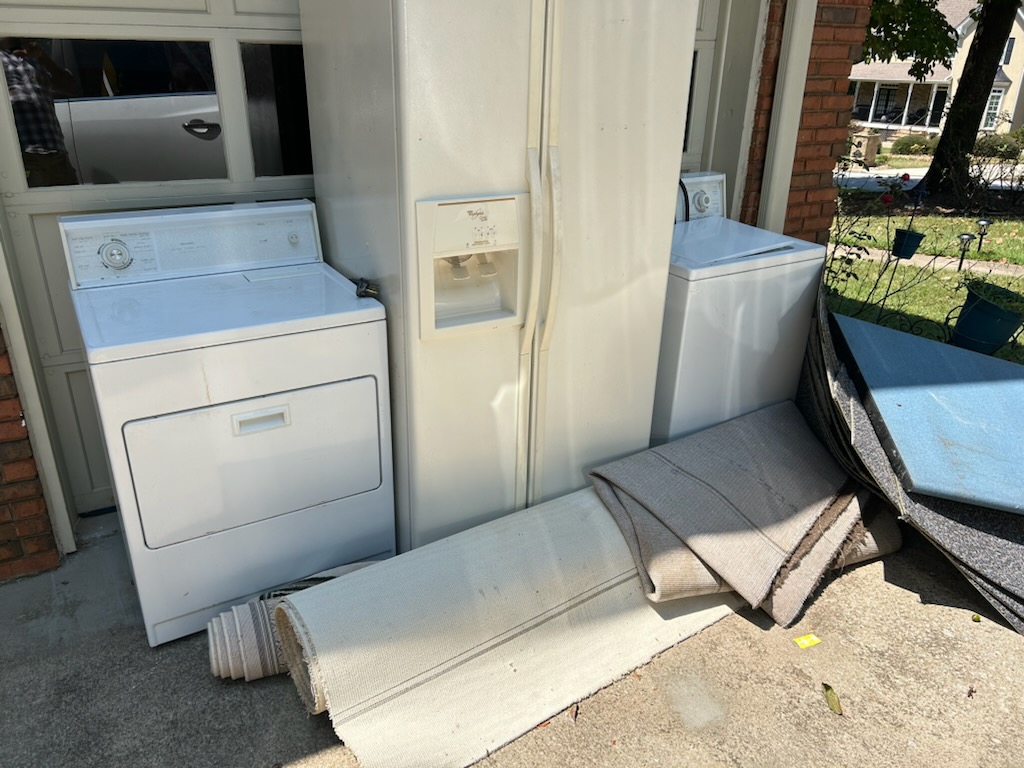
None of this is meant to make a routine cleanout sound complicated. The overwhelming majority of what we haul — furniture, appliances, mattresses, electronics, general household and office clutter, yard waste, construction debris — falls squarely within standard junk removal. These special-handling categories usually come up as one or two items within an otherwise normal job, not as the whole job itself.
Why This Isn't a Definitive List
Regulations around hazardous and regulated materials vary by state and even by county, and they change over time. What's routine to dispose of in one area might need special handling somewhere else. That's part of why we're cautious about publishing a hard "we never take this" list — the honest, accurate answer depends on the specific item and where it's being disposed of, which is exactly the kind of thing worth a quick phone call rather than relying on a generic list from any company's website, ours included.
The honest, accurate answer depends on the specific item and where it's being disposed of — that's worth a quick phone call, not a generic list.
When in Doubt, Just Ask
If you've got something you're unsure about, the fastest way to get a straight answer is to send us a photo before your scheduled pickup. It takes a minute and saves everyone a surprise on job day. This is also the best way to get an accurate sense of what affects your junk removal quote, since items that need special handling can factor into how a job is scoped.
Frequently Asked Questions
Will you still come out if I have one hazardous item mixed in with a normal job?
Usually, yes — special-handling items typically come up as one or two items within an otherwise standard job, not the whole job. Just flag it ahead of time.
How do I find out if you can take a specific item?
Send us a photo before your scheduled pickup — it takes a minute and avoids any surprises on job day.
Do these restrictions apply everywhere?
No — regulations on hazardous and regulated materials vary by state and county, which is why we don't publish a hard "never take this" list.
Ready to get this off your plate? Not sure about a specific item? Send us a photo and we'll give you a straight answer.
Ask Us About Your Item Call or Text 470-822-9531