
Turnover time is expensive time. Between the walkthrough, the cleanout, repairs, cleaning, and re-listing, every extra day adds up in lost rent. Having a consistent checklist for the cleanout step specifically helps keep turnover on a predictable timeline instead of discovering problems one at a time.
Key Takeaways
- Walk the unit (or get photos) before scheduling — tenants leave behind wildly different amounts of stuff.
- Schedule the cleanout before repairs and cleaning, not alongside them.
- Confirm your local rules on abandoned property before disposing of anything left behind.
- A reliable go-to for cleanouts saves time on every future turnover if you manage multiple properties.
1. Do the Walkthrough Before You Assume Anything
Don't schedule a cleanout based on the lease terms alone — walk the unit first. Tenants leave behind wildly different amounts of stuff, from a completely empty apartment to furniture, trash, and belongings filling every room. A quick walkthrough (or photos, if you can't get there in person right away) lets you scope the job accurately instead of guessing.
2. Know Your Local Rules on Abandoned Property
Handling of items left behind by a former tenant is generally governed by local and state regulations, and requirements can vary. This isn't legal advice — it's worth confirming your specific obligations around notice periods and handling of abandoned belongings before disposing of anything, especially if there's any ambiguity about whether the tenant intends to come back for items.
3. Checklist: What to Look For Room by Room
- Living areas: left-behind furniture, trash, and general clutter
- Kitchen: old food, appliances left behind, trash accumulation
- Bedrooms and closets: clothing, boxes, and forgotten storage items
- Bathroom: toiletries, damaged fixtures, or items needing disposal
- Garage or storage areas: tools, boxes, and anything stored outside the main unit
- Balcony/patio/yard: outdoor furniture, grills, and debris
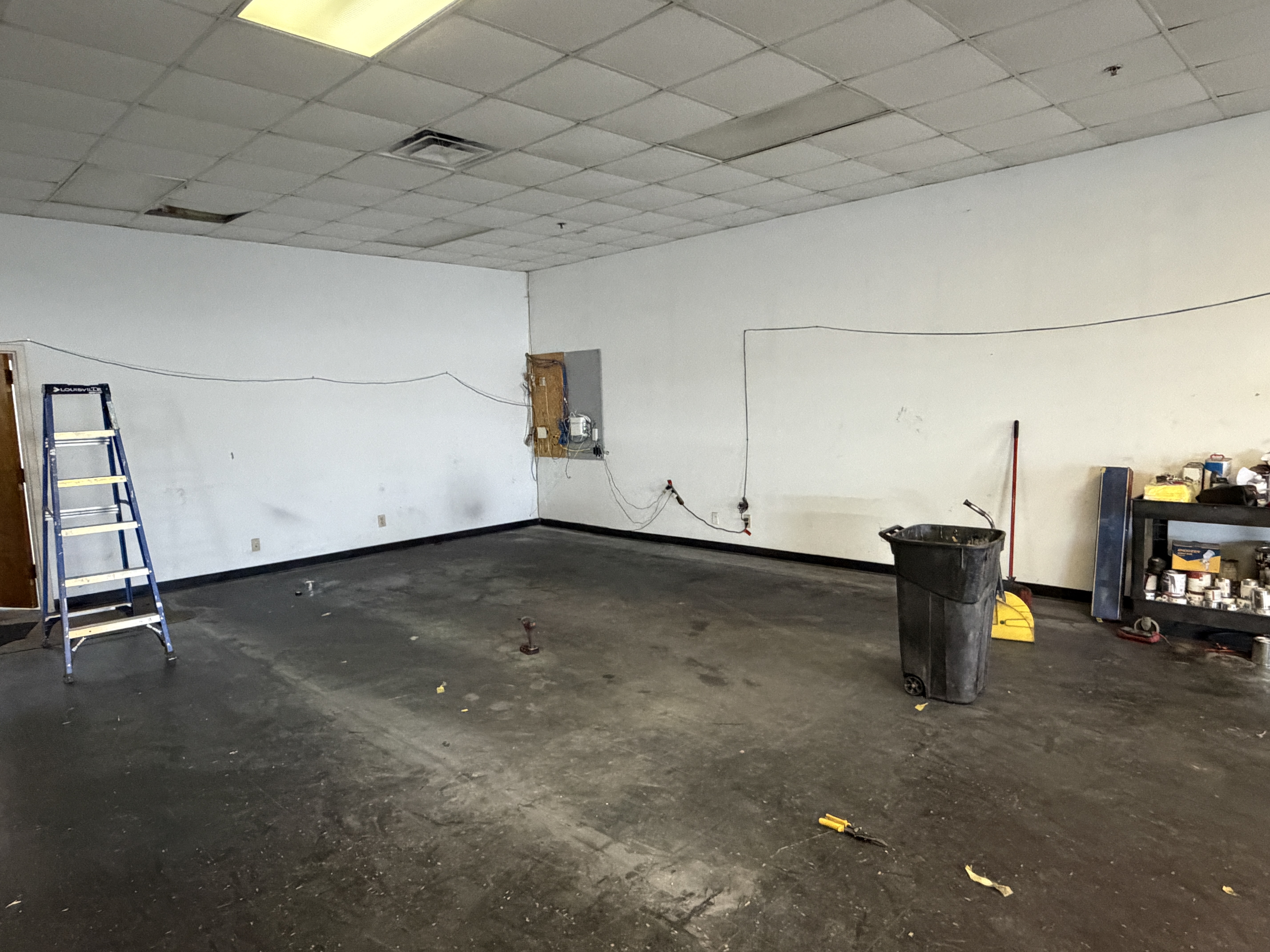
4. Schedule the Haul-Away Before You Schedule Repairs
Contractors, cleaners, and painters can't do their jobs efficiently around leftover furniture and trash. Getting the unit fully cleared should happen before other turnover work gets scheduled, not alongside it — otherwise you're paying other tradespeople to work around clutter instead of getting straight to the job.
Getting the unit fully cleared should happen before other turnover work gets scheduled, not alongside it.
5. Decide If This Is a Routine Turnover or an Eviction Situation
A standard move-out and an eviction cleanout aren't quite the same job. Routine turnovers are usually more straightforward and less time-sensitive; eviction situations often need to move faster and can involve larger volumes of left-behind belongings. If you're dealing with the latter, our eviction cleanout service is built specifically around that kind of fast, discreet turnaround.
6. Get One Quote for the Whole Job
Rather than trying to estimate what a cleanout will cost based on a lease description, send photos of the actual unit and get an upfront quote before scheduling. It avoids surprises and gives you an accurate number to work with for budgeting the turnover.
7. Build the Relationship, Not Just the One-Off Job
If you manage multiple properties, having a reliable go-to for cleanouts saves time on every future turnover — you're not starting from scratch finding someone available on short notice each time a unit empties out. We work with landlords and property managers throughout Gwinnett County on exactly this kind of recurring need. If you manage a property in our home city specifically, our guide on preparing a Lawrenceville rental for new tenants covers some local-specific considerations worth knowing.
A Simple Pre-Listing Checklist
Before a unit goes back on the market, run through this short list: cleanout complete, repairs identified and scheduled, cleaning done, and a final walkthrough to confirm the space is actually rent-ready and not just "mostly done." Skipping the final walkthrough is a common way small issues — a forgotten item in a closet, a spot that still needs cleaning — end up discovered by a prospective tenant instead of caught ahead of time.
Keep a Record for Next Time
If you manage rentals long-term, it's worth keeping a quick note after each turnover on what took longest and what went smoothly. Over a few turnovers, patterns show up — certain unit types tend to have more left behind, certain seasons see faster move-outs — and that history makes planning the next cleanout easier and more predictable.
Frequently Asked Questions
What should I do first when a tenant moves out?
Do a walkthrough (or get photos) before scheduling anything — tenants leave behind very different amounts of stuff, and that scopes the job accurately.
Should the cleanout happen before or after repairs?
Before. Contractors, cleaners, and painters can't work efficiently around leftover furniture and trash, so clearing the unit first speeds up the whole turnover.
Is a routine move-out cleanout different from an eviction cleanout?
Yes — eviction situations often move faster and involve larger volumes of left-behind belongings. We have a dedicated eviction cleanout service for that scenario.
Ready to get this off your plate? We work directly with landlords and property managers across Gwinnett County to get units turned around fast.
See Our Move-In / Move-Out Cleanout Service Call or Text 470-822-9531